No guesswork, no long wait times.
See how different businesses use canvass
Gather data on consumer behavior, brand perception, and market trends directly from real mobile users across key African economies.
-

Assess programme impact
Collect authenticated responses through WhatsApp, Telegram and SMS, then compare participant outcomes with programme records.
-

Evaluate a new market
Test demand, price expectations and local preferences with people in a target country or region before committing to expansion.
-
Understand product adoption barriers
Identify the beliefs, costs, habits and access constraints preventing intended users from trying or continuing to use a product.
-

Measure brand awareness
Measure unaided and aided recognition among a defined audience and compare awareness across locations, segments or campaign periods.
-

Test pricing and willingness to pay
Measure acceptable price ranges, willingness to pay and customer trade-offs before setting or revising a price.
-
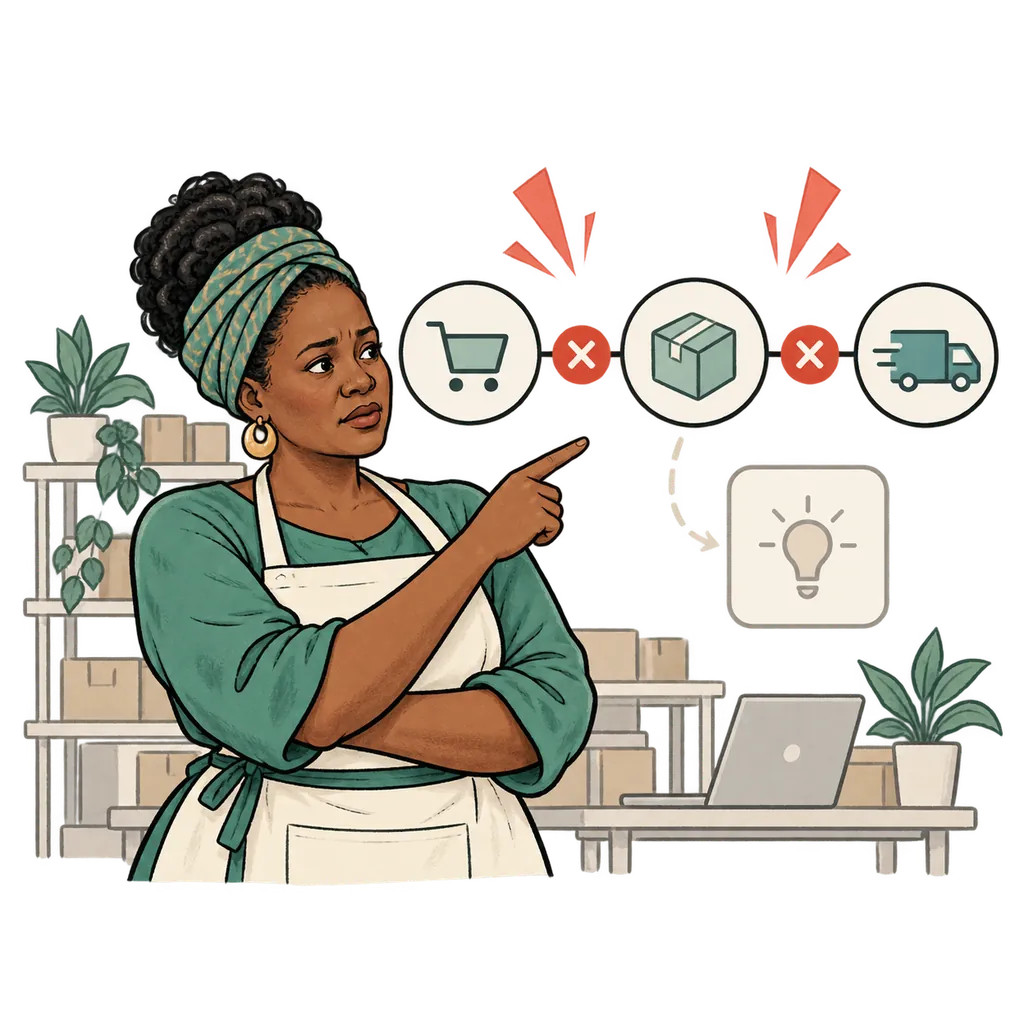
Validate demand before launch
Determine whether a defined audience wants a proposed product, how urgently they need it and whether interest survives a realistic price.
-

Test messages and value propositions
Compare headlines, claims and value propositions to learn which version people understand, trust and remember before publication.
-

Understand brand perception
Study the associations, beliefs and expectations people attach to a brand, including how those perceptions differ between audiences.
-
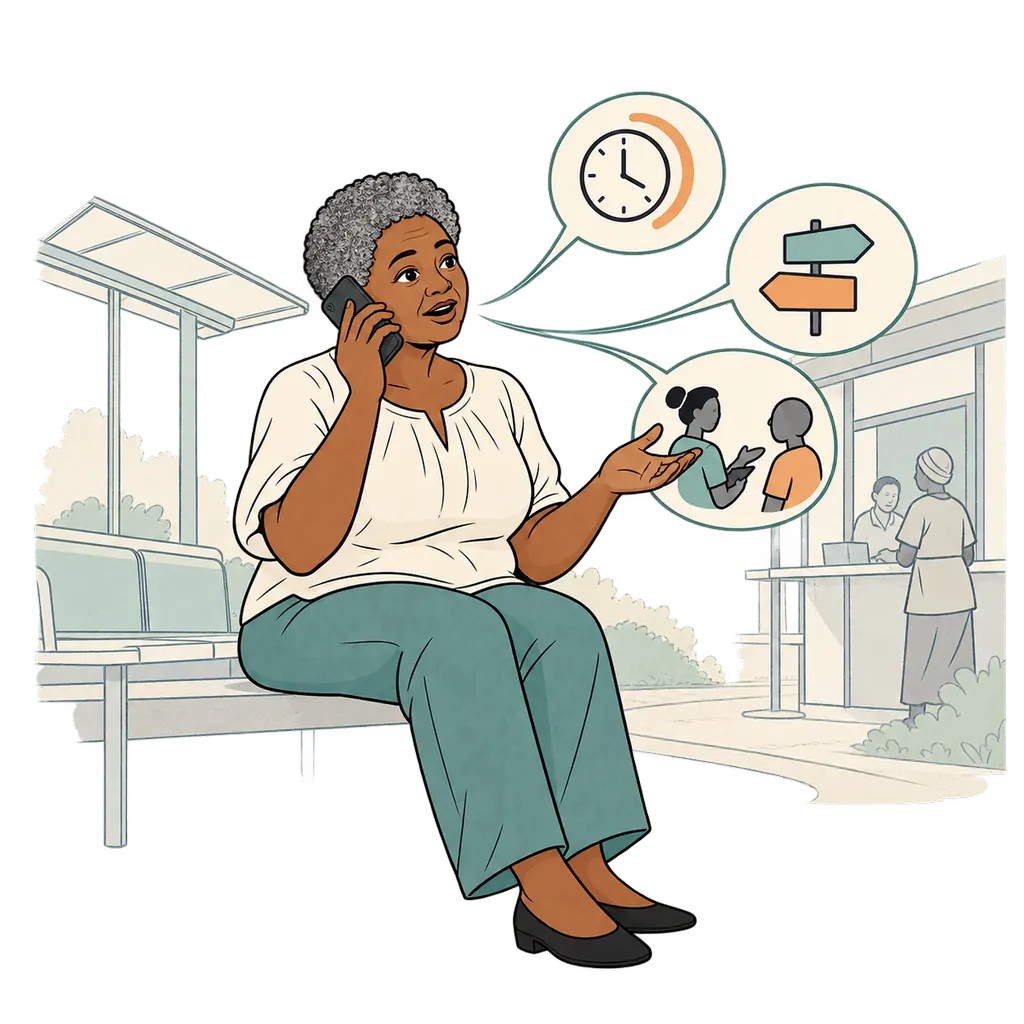
Collect beneficiary feedback
Understand how participants experienced a programme, which parts helped them and which delivery problems require attention.
-

Measure campaign effectiveness
Measure who saw a campaign, what they recalled and whether it influenced consideration, intent or reported behaviour.
-
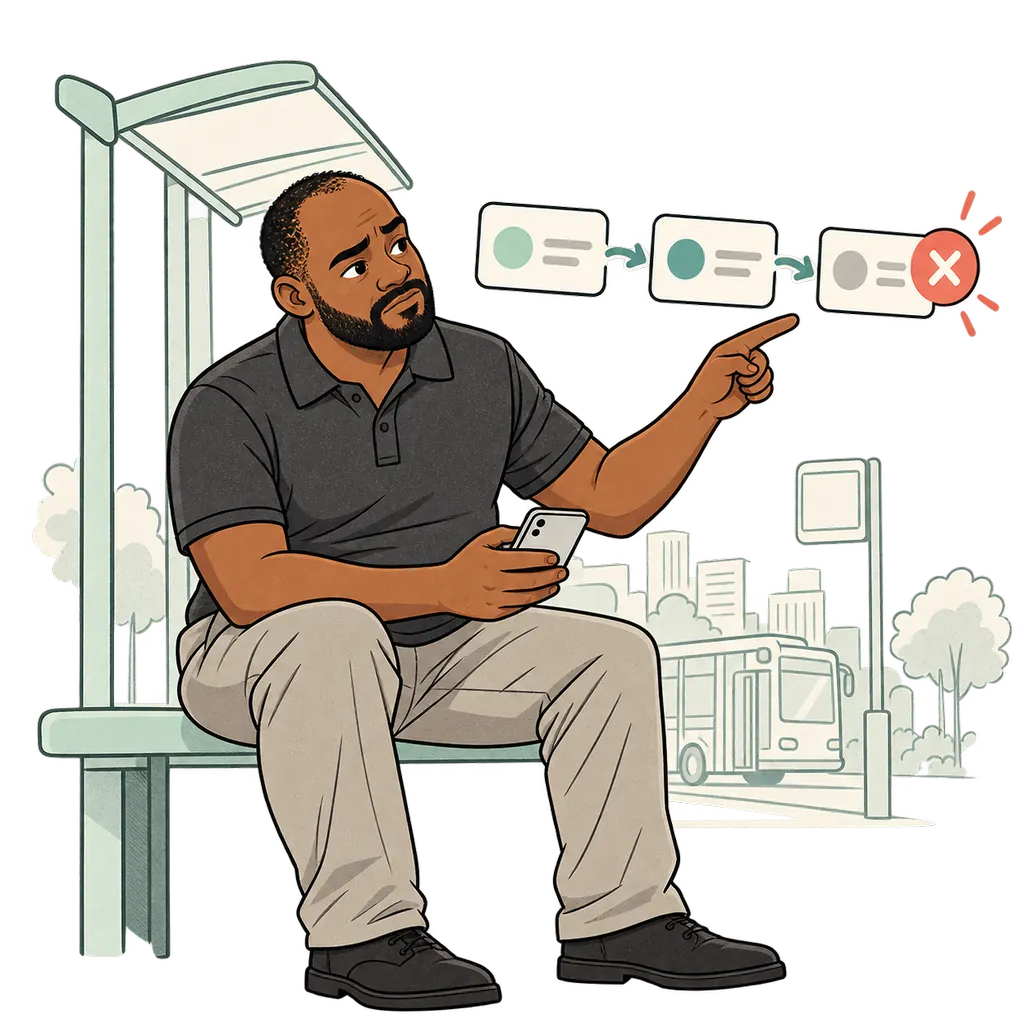
Diagnose churn and abandonment
Identify why users abandon registration, purchasing, onboarding or continued use, then quantify which causes affect the largest groups.
-

Segment an audience by needs
Group people by needs, behaviours and purchase motivations so companies can tailor products and communication to meaningful differences.
-

Evaluate service experiences
Collect feedback after a service interaction to identify delays, confusion and unmet expectations across channels or locations.
-

Understand purchase behaviour
Study how people discover, compare, choose and purchase products within a category, including the alternatives they consider.
-

Test a new product concept
Measure the appeal, relevance and purchase intent of a product idea before committing money to development or launch.
-

Identify unmet customer needs
Find unresolved problems, existing workarounds and unmet expectations within a defined audience before choosing what to build or improve.
-
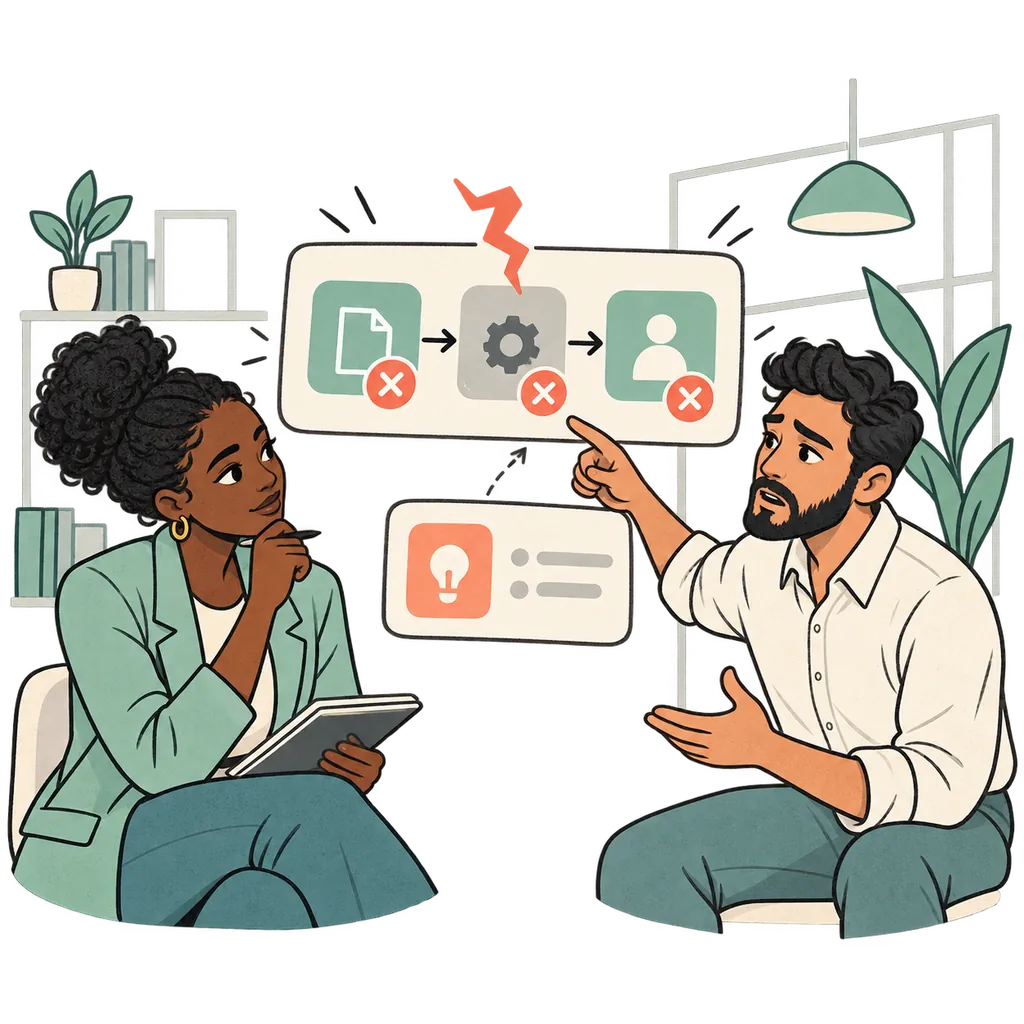
Prioritise a product roadmap
Ask customers to compare competing capabilities so product managers can direct limited development capacity toward the work customers value.
-
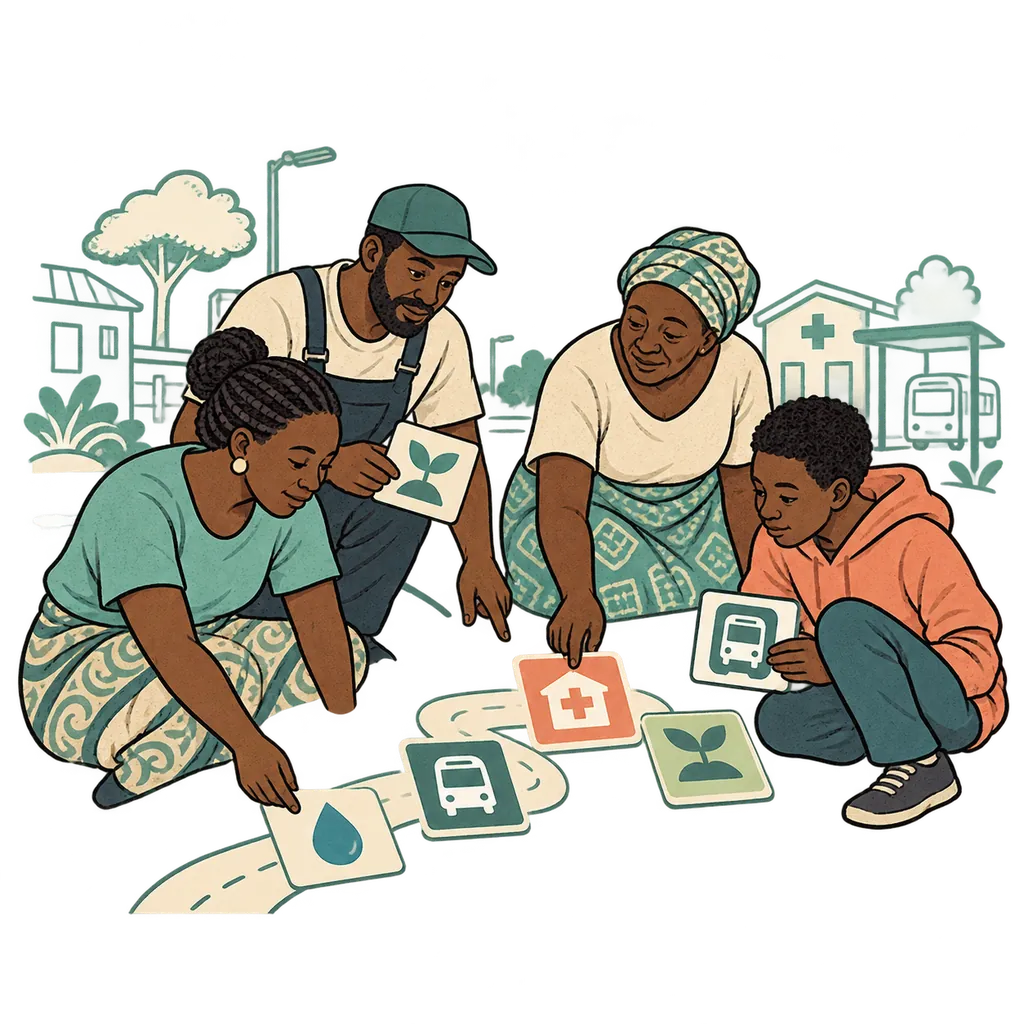
Understand community needs
Collect local priorities from residents or service users before designing programmes, allocating resources or setting delivery priorities.
-
Measure public opinion on policy
Measure opinions, concerns and support levels around a policy, public issue or proposed intervention across defined population groups.
-
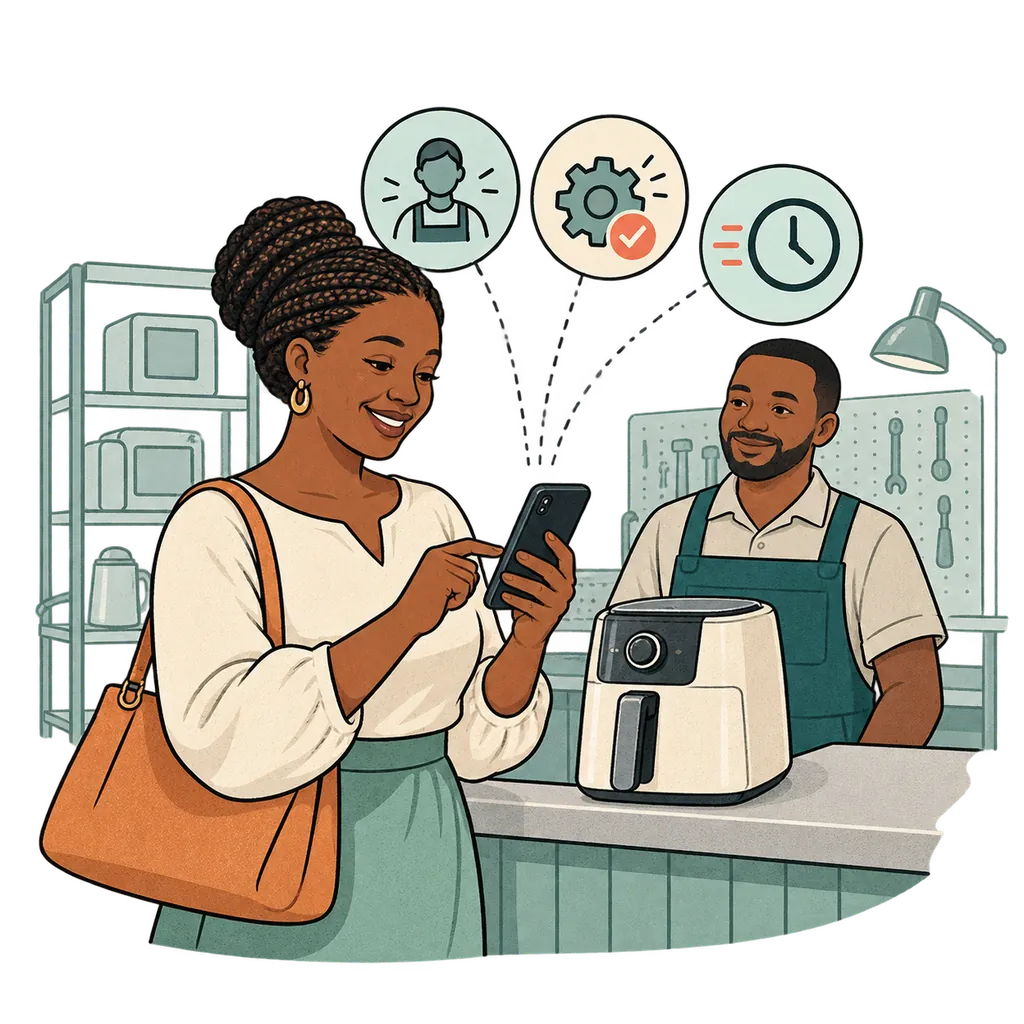
Measure customer satisfaction
Measure satisfaction across a product or service experience and identify the interactions causing confidence, frustration or repeat use.