No guesswork, no long wait times.
Gain unfiltered insights from the people closest to the question.
Canvass help you reach the people whose experience can answer your question, receive authenticated responses, and collect only the respondent information the study requires.



The Old Way of Research is Broken
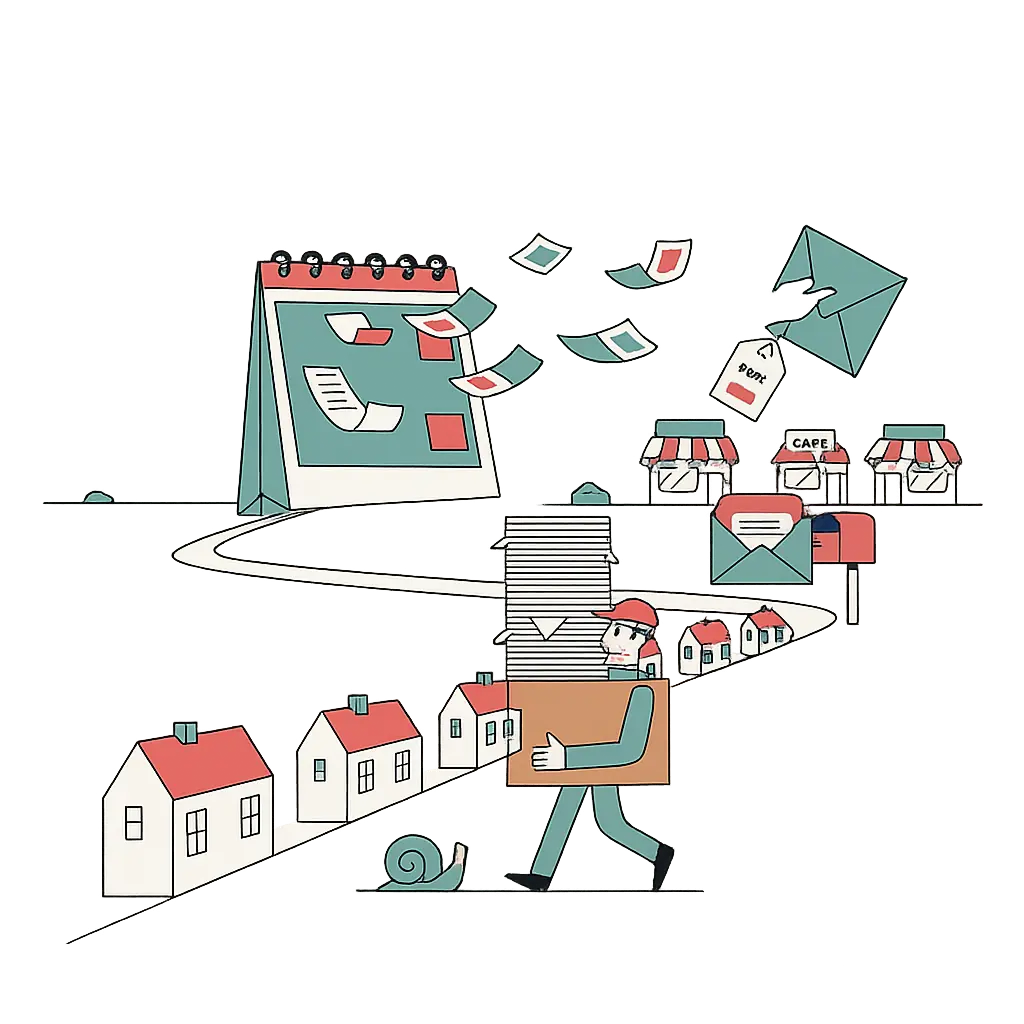
It is too slow.
Traditional agencies hire field workers to walk door-to-door. It takes months to get a report. By the time you read it, the market has changed.
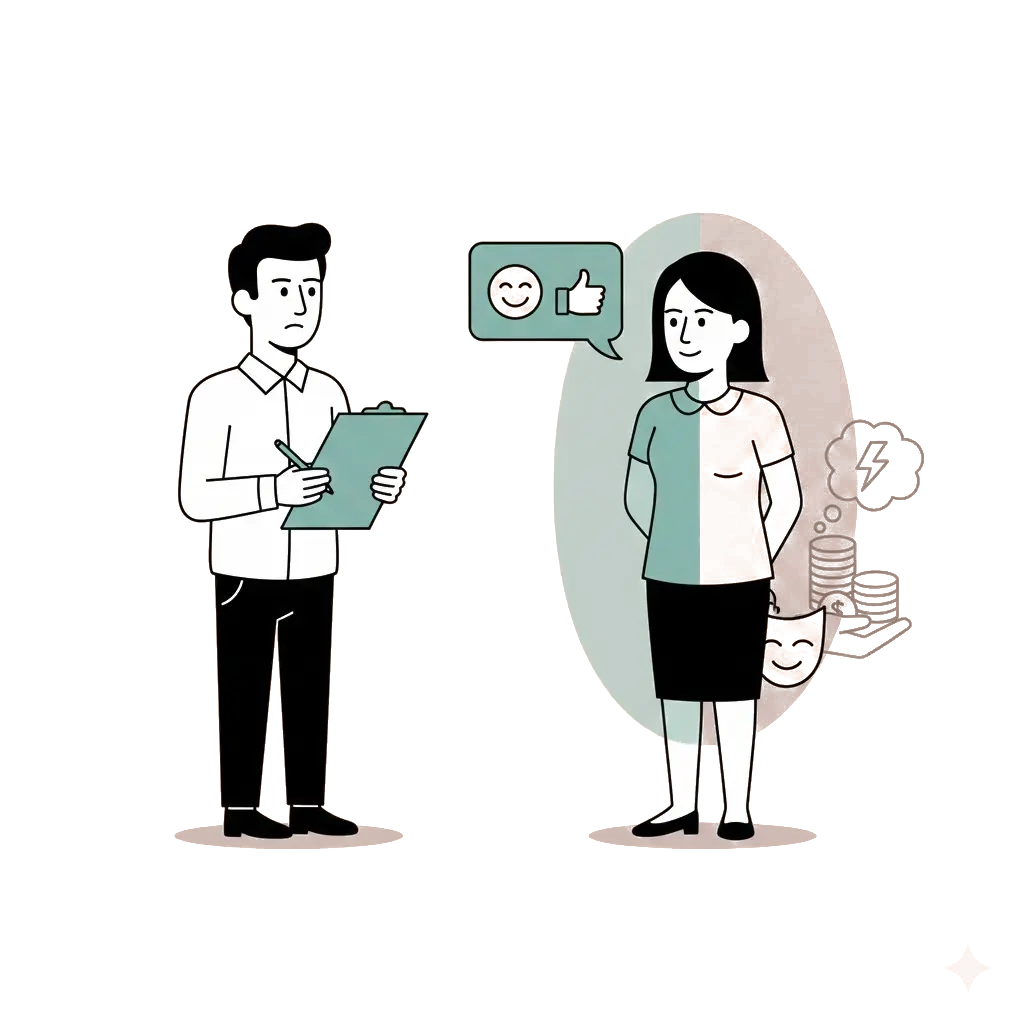
It is biased.
When a stranger with a clipboard asks questions, people give “polite” answers. They don’t tell the truth about their money or their opinions.

It is expensive.
Field research requires paying for travel, hotels, and logistics. You spend your budget on overhead costs instead of spending it on the actual data.
Canvass helps organisations answer specific business and public-interest questions across African markets through authenticated mobile research. We recruit and profile respondents with restraint, protect the person behind each response, and preserve enough trace to assess whether the evidence deserves trust.

We don’t use clipboards. We use the mobile internet.
Africa is a mobile-first continent. We reach respondents through the apps they use every day, like WhatsApp and mobile web browsers.
How we can help
-
Assess programme impact
Collect authenticated responses through WhatsApp, Telegram and SMS, then compare participant outcomes with programme records.
-
Evaluate a new market
Test demand, price expectations and local preferences with people in a target country or region before committing to expansion.
-
Understand product adoption barriers
Identify the beliefs, costs, habits and access constraints preventing intended users from trying or continuing to use a product.
-
Measure brand awareness
Measure unaided and aided recognition among a defined audience and compare awareness across locations, segments or campaign periods.
-
Test pricing and willingness to pay
Measure acceptable price ranges, willingness to pay and customer trade-offs before setting or revising a price.
-
Validate demand before launch
Determine whether a defined audience wants a proposed product, how urgently they need it and whether interest survives a realistic price.
-
Test messages and value propositions
Compare headlines, claims and value propositions to learn which version people understand, trust and remember before publication.
-
Understand brand perception
Study the associations, beliefs and expectations people attach to a brand, including how those perceptions differ between audiences.
-
Collect beneficiary feedback
Understand how participants experienced a programme, which parts helped them and which delivery problems require attention.
-
Measure campaign effectiveness
Measure who saw a campaign, what they recalled and whether it influenced consideration, intent or reported behaviour.
-
Diagnose churn and abandonment
Identify why users abandon registration, purchasing, onboarding or continued use, then quantify which causes affect the largest groups.
-
Segment an audience by needs
Group people by needs, behaviours and purchase motivations so companies can tailor products and communication to meaningful differences.
-
Evaluate service experiences
Collect feedback after a service interaction to identify delays, confusion and unmet expectations across channels or locations.
-
Understand purchase behaviour
Study how people discover, compare, choose and purchase products within a category, including the alternatives they consider.
-
Test a new product concept
Measure the appeal, relevance and purchase intent of a product idea before committing money to development or launch.
-
Identify unmet customer needs
Find unresolved problems, existing workarounds and unmet expectations within a defined audience before choosing what to build or improve.
-
Prioritise a product roadmap
Ask customers to compare competing capabilities so product managers can direct limited development capacity toward the work customers value.
-
Understand community needs
Collect local priorities from residents or service users before designing programmes, allocating resources or setting delivery priorities.
-
Measure public opinion on policy
Measure opinions, concerns and support levels around a policy, public issue or proposed intervention across defined population groups.
-
Measure customer satisfaction
Measure satisfaction across a product or service experience and identify the interactions causing confidence, frustration or repeat use.
Reliable, Private, Transparent.
Global Privacy Standards
We are a digitally native company. We protect respondent privacy according to the highest international standards for data ethics and anonymity.
Rigorous Quality Control
Our automated systems filter out bots and inconsistent data. You only pay for verified, clean responses from real people.
A Neutral Third Party
We have no physical headquarters or local political affiliations. Our remote structure ensures that the data we provide is objective and unbiased.